Speak Ekpeye Fluently Language Initiative Launches Free Ekpeye Language Classes to Preserve Indigenous Heritage
June 8, 2025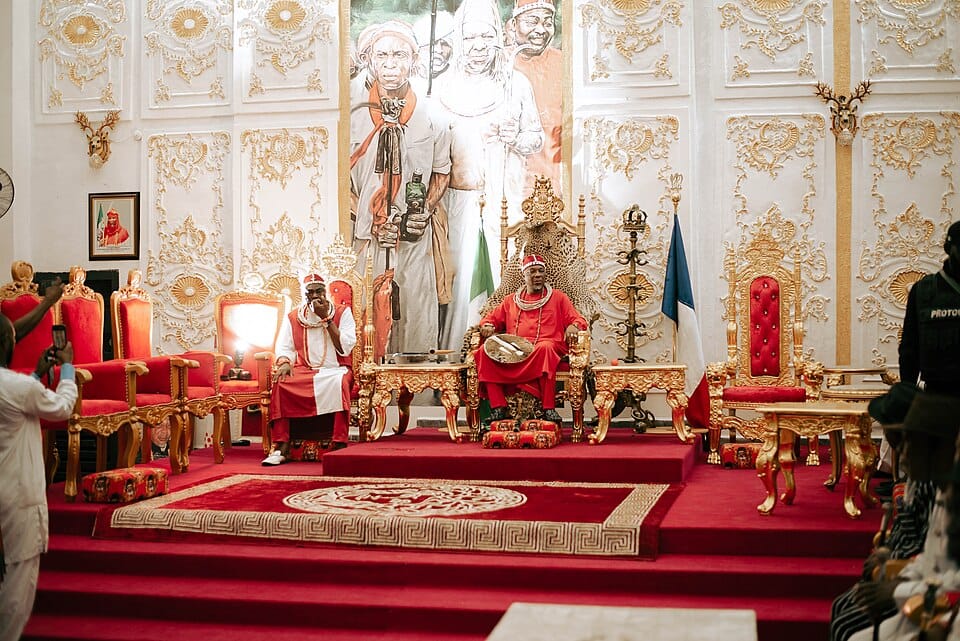
Ẹ̀kpẹ́yẹ Administrative Divisions and Rulership Structure
Ẹ̀kpẹ́yẹ has an organized society that runs from the family level to the community, to the clan, and finally to the general Ẹ̀kpẹ́yẹ society. Below are the administrative divisions and their respective rulership/leadership:
- ÒBODO: This is a patrilineal family in Ẹ̀kpẹ́yẹ. Everyone belongs to an òbodo. At least two òbodos are found in a community. There are eight in number, namely: ÍMAJĪ, ÉDHIWÙLU, ÁKPA, ÁGWOLÒ, ÙCHÍ, ÍSHIKOLÒKO, Ọ́DỌGWŪ, ÚZHI.
- ÚDHỘ: A sub-family of the òbodo in a community. The údhộ has its own name, and its òbodo serves as a surname.
Example: ÚMŪ ÚDHỌ ÍZÙ (ÚMŪ ÍZÙ), ÚMŪ ÚDHỌ ÁGÂ (ÚMŪ ÁGÂ).
The ÉZĒ-NWE-ÓBÒDO is the head of the údhộ, while the ÙNÚKANÌ ÓBÒDO is the eldest man in the údhộ. - Ẹ́KPỆ: This also means family, but it is more immediate than údhộ, and a sub-family of údhộ. In some places, ẹ́kpệ is used to mean údhộ, while ím’udhộ is used to describe the sub-family of údhộ.
- ÙLÀ: Community. The Ẹ̀kpẹ́yẹ community is made up of different òbodos, which in turn are made up of various údhọs.
The ÉZĒ-NWE-ÚLÀ is the head of the community. - ÍSHI (or ÌGBU): This refers to a quarter within the community, a subdivision of the community. During wrestling contests, each wrestler represents his íshi. Each íshi also has its own playground for masquerade (ówu) displays and other events.
Some representations and sharings in the community are done by íshi. - ÉLEỌHÀ: A congregation of the eldest men in the community, with each representing their údhộ. It is headed by the ÙNÚKANÌ ÚLÀ (the eldest man of the community).
Some very important decisions and approvals pass through the éleọhà. - NYÉNWĒ ẸLỆ: The oldest founding údhộ in the community produces the nyénwē ẹlệ, who is also the eldest in the family. He holds the ọ̀wọ̀ (sceptre) of the community and performs other duties.
- ÚMŪ ÉZÊ (middle-aged men), ÌKWÚ UGBÒJI (male youths), and ÙNYÓMĀ ÚLÀ (community women) all perform various functions in the community.
- ÌGBU: This refers to a clan. Historically, communities came together and worked collectively as ìgbu
The ÉZĒ ÍGBU is the traditional ruler of the ìgbu.
There are seven ìgbus in Ẹ̀kpẹ́yẹ:- ÚBĪEÀKǑHÍGBUDUYĀÚPĀTAẸ̀HÚDÀÚGBŌBÌ
- ÈMENE: This is a subdivision of the ìgbu as an administrative unit. It is made up of some communities within the ìgbu. Each ìgbu has at least three èmenes.
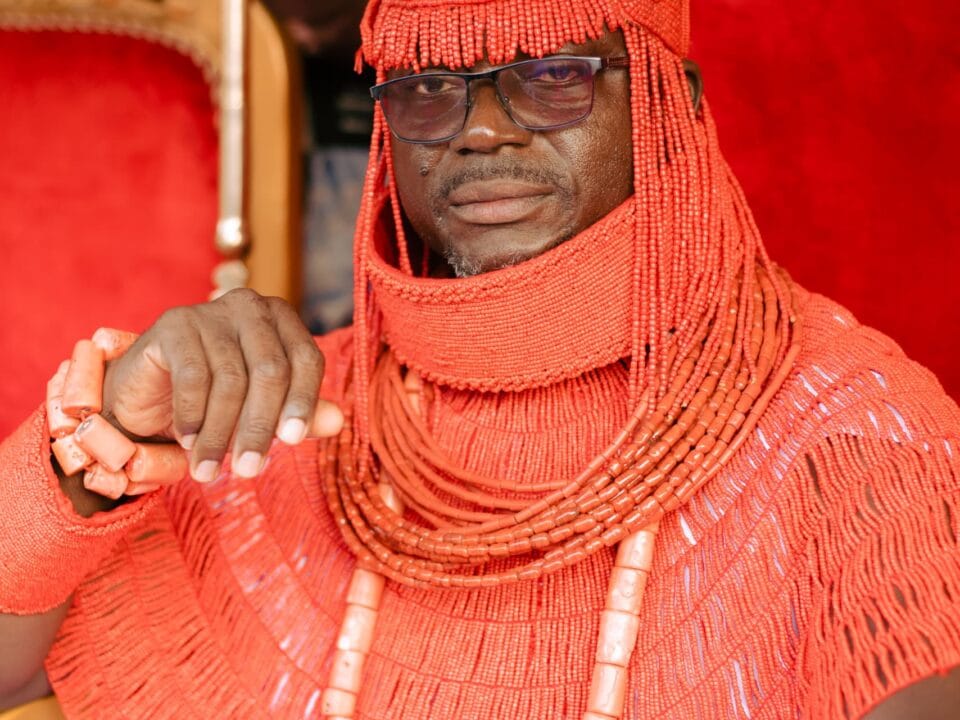
The ÉZĒ ÉMÈNE assists the ÉZĒ ÍGBU in administering the communities under the èmene. - ÉZĒ Ẹ́KPẸ̀YẸ L’ÓGBÒ: He is the traditional ruler of all Ẹ̀kpẹ́yẹ. He leads and represents the people across all the ìgbus.
Note:
No kingship position in Ẹ̀kpẹ́yẹ is by inheritance.
All positions are attained through election, or in some cases, by selection based on a laid-down criteria.